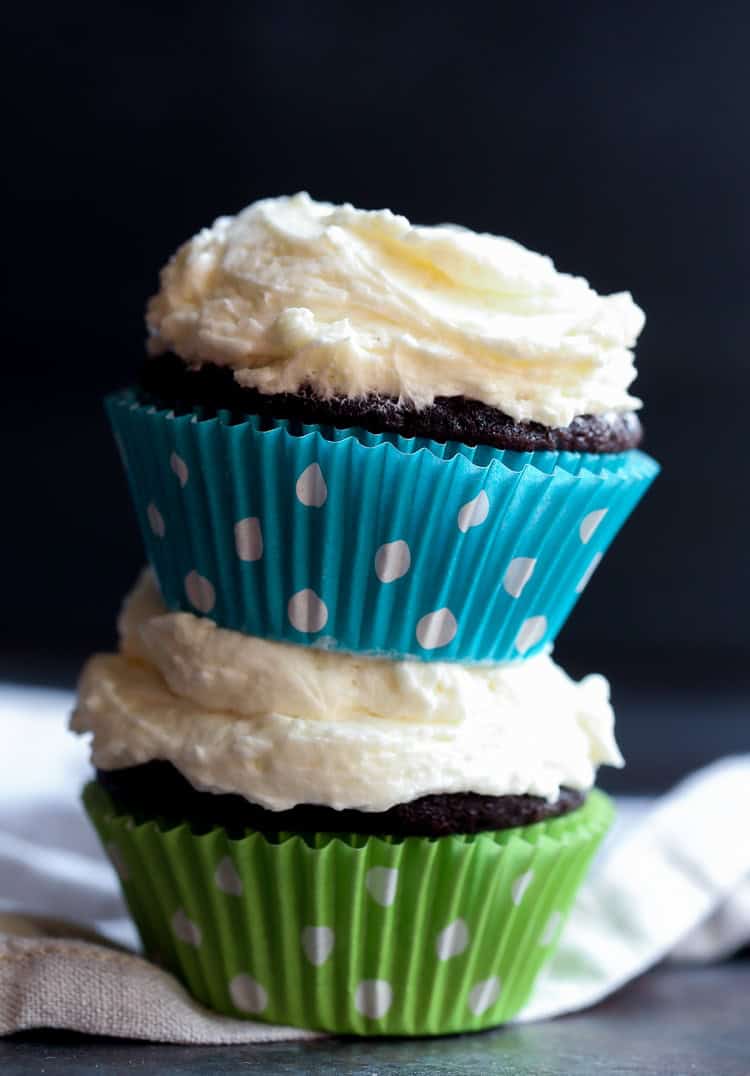
Why Heritage Frosting Beats Buttercream: Light, Fluffy & Delicious
Tired of dense, overly sweet frostings that overpower your lovingly baked cakes and cupcakes? While traditional buttercream has long held its reign as the dessert decorator's darling, there's a timeless classic making a magnificent comeback that promises a lighter, fluffier, and truly delicious experience:
Heritage Frosting. Often referred to as Ermine Frosting, Flour Buttercream, or even "grandma's boiled frosting," this multi-generational recipe offers a delicate balance of sweetness and an ethereal texture that simply melts in your mouth, often leaving its buttercream counterpart trailing behind. If you're searching for a
unique heritage frosting recipe that delivers unparalleled lightness, prepare to be smitten.
What Exactly is Heritage Frosting? Unveiling a Timeless Classic
At its heart, heritage frosting is a testament to culinary ingenuity passed down through generations. Unlike typical buttercreams that rely heavily on powdered sugar for structure, this classic takes a surprisingly different, yet utterly brilliant, approach. The process begins with a humble roux – a mixture of flour and milk cooked gently over low heat until it thickens into a smooth, pudding-like paste. This paste is then set aside to cool completely, a crucial step in achieving its signature texture.
Simultaneously, butter, granulated sugar, and pure vanilla extract are whipped together until they become incredibly light and fluffy, resembling a cloud. Once the flour-milk mixture is thoroughly chilled, it's gradually introduced to the whipped butter mixture. The magic truly happens during this final stage: vigorous whipping transforms these two distinct components into a cohesive, billowy frosting that defies expectations. The result is a smooth, creamy, and undeniably light frosting that often draws comparisons to whipped cream, yet possesses the stability needed for perfect piping and decorating.
This isn't just a modern trend; it's a piece of history. Many families, like the one described in our reference, have used this exact
easy heritage frosting for decades, topping beloved desserts like Red Velvet Cake. It's a recipe learned in high school home economics classes, cherished, and shared, proving its enduring appeal.
Heritage Frosting vs. Buttercream: A Tale of Two Textures
The most significant distinction between heritage frosting and traditional buttercream lies in their fundamental composition and, consequently, their texture and flavor profiles.
*
Traditional Buttercream: Often made with copious amounts of powdered sugar, butter, and a splash of milk or cream, buttercream is known for its richness and density. While versatile and stable, it can sometimes feel heavy on the palate and intensely sweet, often overshadowing the delicate flavors of the cake itself. Varieties like American buttercream are notoriously sugary, while Swiss or Italian meringue buttercreams, though lighter, still carry a distinct richness from egg whites and butter.
*
Heritage Frosting: This is where heritage frosting truly shines. By using a cooked flour-milk base, it achieves its incredible structure without the overwhelming sweetness of powdered sugar. The flour acts as a stabilizer, allowing the frosting to be whipped to an airy consistency that feels almost weightless.
Let's break down the key differences:
1.
Sweetness Level: Heritage frosting is notably less sweet than most buttercreams. The granulated sugar used in the butter mixture provides a balanced sweetness that complements rather than competes with your dessert. This is a huge win for those who find traditional frostings cloyingly sweet.
2.
Texture and Mouthfeel: While buttercream can sometimes feel greasy or heavy, heritage frosting boasts an almost impossibly light, fluffy, and melt-in-your-mouth texture. It has a silky smoothness that glides effortlessly, without coating your palate. It truly resembles a luxurious, stabilized whipped cream.
3.
Ingredients: Heritage frosting’s unique use of flour and milk sets it apart. This innovative method provides a different kind of emulsification and structure that powdered sugar simply can't replicate, leading to its distinctive lightness.
4.
Versatility: Despite its delicate texture, heritage frosting holds its shape remarkably well. It pipes beautifully, making it perfect for intricate decorations on cakes and cupcakes, without the risk of collapsing or weeping that can sometimes plague whipped cream.
Why Heritage Frosting is Your Next Dessert Obsession
Beyond its comparison to buttercream, heritage frosting offers a host of reasons why it deserves a coveted spot in your baking repertoire.
The Magic Behind the Meringue-Like Fluff
The science behind heritage frosting's exquisite lightness is quite fascinating. The cooked flour and milk paste creates a network that encapsulates air bubbles during the whipping process. This matrix provides an incredible stability that allows the frosting to become voluminous and cloud-like, far surpassing the fluffiness achievable with raw flour or cornstarch. This unique structure is what gives it that appealing meringue-like quality without the actual use of egg whites, making it a fantastic option for those seeking an egg-free frosting. The extensive whipping also contributes significantly to incorporating air, transforming the mixture into that desirable fluffy whipped cream resemblance.
A Taste of Nostalgia and Comfort
There's something inherently comforting and nostalgic about a classic
heritage frosting recipe. It evokes memories of simpler times, of grandmothers in the kitchen, and family celebrations. Its subtle vanilla flavor allows the true essence of your cake – be it rich chocolate, bright lemon, or classic red velvet – to shine through. This frosting enhances, rather than dominates, the overall dessert experience, creating a harmonious symphony of flavors and textures. It’s no wonder it’s been the traditional topping for red velvet cake in countless families for generations.
Endless Dessert Pairings
While famously paired with red velvet cake, the versatility of heritage frosting extends far beyond. Imagine it:
* **Classic Vanilla Cakes:** Elevating a simple vanilla cake with its delicate sweetness.
* **Rich Chocolate Cakes:** Providing a lighter counterpoint to the intensity of chocolate.
* **Lemon or Orange Cakes:** Harmonizing beautifully with citrus notes without being overly sweet.
* **Cupcakes:** Perfect for piping elegant swirls and holding its shape.
* **Dessert Fillings:** A dreamy filling for whoopie pies or sandwich cookies.
You can even experiment with variations, such as a divine Chocolate Heritage Frosting, by incorporating melted chocolate or cocoa powder, adding another layer of deliciousness to this already spectacular recipe.
Mastering Your Own Heritage Frosting Recipe: Tips for Success
Embarking on your journey to create this magnificent frosting is a rewarding experience. While the process involves two distinct stages, it’s not overly complicated. Here are some practical tips to ensure your
easy heritage frosting turns out perfectly every time:
*
Cooling is CRUCIAL: This is arguably the most critical step. The cooked flour-milk paste *must* be completely cooled to room temperature, or even slightly chilled, before you add it to the butter mixture. Any warmth will melt the butter, resulting in a soupy, separated mess that won't whip up properly. You can speed up the cooling by pressing plastic wrap directly onto the surface of the paste (to prevent a skin from forming) and placing it in the refrigerator.
*
Whip, Whip, Whip: Don't be shy with your mixer! Both the butter-sugar-vanilla mixture and the final combination of the two mixtures require extensive whipping. For the butter mixture, you want it light, fluffy, and almost white. Once combined, continue whipping until the frosting is incredibly airy, smooth, and has reached that signature whipped-cream like consistency. This can take 5-10 minutes, or even longer, depending on your mixer.
*
High-Quality Ingredients: Since there are so few ingredients, the quality truly shines through. Use good quality unsalted butter and pure vanilla extract for the best flavor.
*
Don't Be Afraid of the Flour: The idea of using flour in frosting might sound unusual, but rest assured, when cooked properly, there will be no raw flour taste or grainy texture. The cooking process transforms it into a smooth, neutral base.
*
Room Temperature Butter: Ensure your butter is at proper room temperature for the initial whipping stage. It should be soft enough to indent easily but not greasy or melted.
Conclusion
In a world increasingly seeking authenticity and wholesome alternatives, the
heritage frosting recipe stands out as a true gem. Its light, airy texture, balanced sweetness, and nostalgic charm offer a delightful departure from the heavy hand of traditional buttercream. It’s a testament to the fact that some of the best culinary secrets are found in time-honored traditions, waiting to be rediscovered. Whether you're a seasoned baker or just starting your journey, trying your hand at this exquisite frosting promises a rewarding experience and a delicious revelation. Once you taste a cake crowned with this ethereal, delicious frosting, you'll understand why families have passed down this treasured recipe for generations – and why you, too, will be completely smitten.